
Categories
Uncategorized

Significance of Painting in Art History

Significance of Painting in Art History

Painting has been a foundational element of human expression for millennia, capturing the complexities of human experience, imagination, and the natural world. From the earliest cave paintings to contemporary masterpieces, painting has allowed artists to convey emotions, tell stories, and challenge perceptions. This art form is celebrated for its ability to merge color, form, and texture into compelling visual narratives that resonate across cultures and eras.

Timeline of Transcendental Events in Painting History

  • Prehistoric Era (30,000 BCE – 2,500 BCE)

    • Lascaux Cave Paintings: Discovered in France and dating back to around 17,000 BCE, these paintings depict large animals and represent one of the earliest forms of human creativity.

  • Ancient Egypt (3,000 BCE – 30 BCE)

    • Tomb Paintings: Egyptian tomb paintings, such as those in the tomb of Nebamun, illustrate daily life, religious rituals, and the journey to the afterlife with remarkable detail and color.

  • Classical Greece (800 BCE – 146 BCE)

    • Red-figure Pottery: From around 530 BCE, this technique allowed Greek artists to create more detailed and expressive figures on pottery, enhancing the narrative quality of their works.

  • Renaissance (14th – 17th Century)

    • Leonardo da Vinci’s Mona Lisa: Painted between 1503-1506, this portrait exemplifies the Renaissance ideals of realism, anatomical precision, and emotional depth.

    • Michelangelo’s Sistine Chapel Ceiling: Completed between 1508-1512, this monumental fresco showcases the Renaissance fusion of art and spirituality.

  • Baroque (17th Century)

    • Caravaggio’s The Calling of St. Matthew: Painted around 1599-1600, Caravaggio’s use of chiaroscuro (light and shadow) adds dramatic intensity to his religious scenes.

  • Impressionism (Late 19th Century)

    • Claude Monet’s Impression, Sunrise: Painted in 1872, this work gave the Impressionist movement its name and revolutionized the approach to light, color, and brushwork.

  • Modern Art (Early 20th Century)

    • Pablo Picasso’s Les Demoiselles d’Avignon: Created in 1907, this painting broke conventional perspectives and laid the groundwork for Cubism.

    • Jackson Pollock’s Autumn Rhythm (Number 30): From 1950, Pollock’s drip painting technique epitomizes Abstract Expressionism and the spontaneity of modern art.

  • Contemporary Art (Late 20th Century – Present)

    • Andy Warhol’s Marilyn Diptych: Created in 1962, Warhol’s use of pop culture icons and mass production techniques challenges traditional notions of art and originality.

    • Yayoi Kusama’s Infinity Nets: Kusama’s series, which began in the 1950s and continues today, explores themes of infinity and obsession through repetitive patterns and immersive installations.

Reflection

Painting has continually evolved, reflecting the societal, cultural, and technological changes of its time. From the symbolic depictions of prehistoric life to the abstract explorations of contemporary artists, painting captures the essence of human creativity and the diverse ways we interpret and understand our world. Each period in art history has contributed to the rich tapestry of painting, pushing boundaries and redefining the possibilities of artistic expression.

I hope this reflection and timeline provide a meaningful overview of painting’s significance in art history. Let me know if there’s anything specific you’d like to delve deeper into or if you need further assistance!

Categories
Uncategorized

Significance of Sculpture in Art History

Sculpture has been a crucial medium of artistic expression throughout history, offering a three-dimensional perspective that captures the essence of the human condition, cultural narratives, and artistic innovation. From ancient times to the modern era, sculptures have served various purposes: religious symbols, commemorative monuments, and expressions of personal and collective identity. They are not just static objects but vessels of storytelling, capturing the intricate details of human form, emotion, and historical events.

Timeline of Transcendental Events in Sculpting History

  • Prehistoric Era (30,000 BCE – 2,500 BCE)
    • Venus of Willendorf: One of the earliest known sculptures, dating back to around 28,000-25,000 BCE, representing fertility and feminine beauty.

  • Ancient Egypt (3,000 BCE – 30 BCE)
    • Great Sphinx of Giza: Built around 2500 BCE, the Sphinx is a monumental sculpture that symbolizes strength and wisdom.

  • Classical Greece (800 BCE – 146 BCE)
    • The Parthenon Sculptures: Created between 447-432 BCE, these sculptures showcase the height of Greek artistic achievement and architectural integration.

  • Roman Empire (27 BCE – 476 CE)
    • Augustus of Prima Porta: A renowned statue from around 20 BCE, reflecting the idealized image of the first Roman emperor.

  • Medieval Europe (5th – 15th Century)
    • Chartres Cathedral: The intricate sculptures from around 1145-1220 CE depict biblical stories and serve as devotional aids.

  • Renaissance (14th – 17th Century)
    • Michelangelo’s David: Created between 1501-1504, this masterpiece embodies the Renaissance ideals of humanism, proportion, and anatomical precision.

  • Baroque (17th Century)
    • Gian Lorenzo Bernini’s Ecstasy of Saint Teresa: Completed in 1652, this dynamic and emotive sculpture exemplifies the Baroque style’s focus on movement and drama.

  • Modern Era (19th – 20th Century)
    • Rodin’s The Thinker: Originally conceived in 1880, this iconic sculpture represents introspection and human contemplation.

  • Pablo Picasso’s Cubist Sculptures: Early 20th century, pushing the boundaries of traditional sculpture forms and perspectives.

  • Contemporary Art (Late 20th Century – Present)
    • Louise Bourgeois’ Maman: Created in 1999, this giant spider sculpture explores themes of motherhood, strength, and fragility.

  • Anish Kapoor’s Cloud Gate: Installed in 2006 in Chicago, this reflective sculpture invites viewers to interact and reflect on their environment.


Reflection

Sculpture, as an art form, has continually evolved, reflecting the cultural, religious, and political contexts of its time. From the symbolic figures of ancient civilizations to the abstract forms of contemporary artists, sculptures offer us a tangible connection to our collective past and an exploration of our shared humanity. They remind us of the timelessness of human creativity and the enduring power of art to inspire, provoke, and connect.

What are your thoughts on this? Would you like to dive deeper into any specific period or event?

Categories
Uncategorized

From HTTP to SQLi

From HTML to SQLi: The Artistic Evolution of Webpages and Databases

The Dawn of the Digital Canvas

In the early days of the internet, the world was introduced to a new form of digital expression through the creation of web pages. The first ever website, launched by Tim Berners-Lee in 1991, was a rudimentary yet groundbreaking text-based page that served as a prototype for the World Wide Web. This humble beginning laid the foundation for an entire universe of digital creativity.


The Rise of Web Design

As the internet began to expand, so did the artistic potential of web design. Early websites were often simple, relying heavily on HTML (HyperText Markup Language) to structure content. However, as technology advanced, so did the tools available to designers. The introduction of CSS (Cascading Style Sheets) in the mid-1990s allowed for greater control over the visual presentation of web pages. Designers could now play with layout, color, and typography, transforming the web into a dynamic and visually engaging medium.

The Art of Interaction

With the advent of JavaScript and other scripting languages, web pages evolved from static displays to interactive experiences. This shift allowed for the creation of dynamic content that responded to user input, making websites more engaging and immersive. The concept of user experience (UX) design emerged, emphasizing the importance of creating intuitive and enjoyable interactions for users.

Databases: The Backbone of Modern Web Artistry

Behind the scenes, databases have played a crucial role in the evolution of the internet. Early websites relied on simple file storage systems, but as the demand for dynamic and personalized content grew, the need for sophisticated data management became apparent. Enter SQL (Structured Query Language) and relational databases.

SQL, developed in the 1970s, became the standard language for managing and manipulating databases. It allowed web developers to store, retrieve, and update vast amounts of data efficiently. This capability revolutionized web development, enabling the creation of dynamic content that could be tailored to individual users.

The Fusion of Art and Technology

The intersection of web design and database management has given rise to a new form of digital artistry. Websites are no longer just informational resources; they are immersive experiences that blend aesthetics with functionality. Artists and developers work together to create visually stunning and highly interactive platforms that captivate and engage users.

From the minimalist elegance of early web design to the intricate and complex interactions of modern websites, the evolution of web pages and databases reflects a continuous push towards innovation and creativity. Web developers and designers are akin to digital artists, using their tools and skills to craft unique and impactful experiences.


The Future of Digital Artistry

As technology continues to advance, the possibilities for digital artistry are limitless. Emerging trends such as virtual reality (VR), augmented reality (AR), and artificial intelligence (AI) are poised to redefine the boundaries of web design and database management. These innovations promise to create even more immersive and personalized experiences, further blurring the line between art and technology.

In conclusion, the history of web pages and databases is a testament to the power of creativity and innovation. What began as a simple text-based page has evolved into a vibrant and dynamic medium that continues to push the boundaries of artistic expression. As we look to the future, the fusion of art and technology will undoubtedly continue to shape the digital landscape in exciting and unexpected ways.

Categories
Technology

How Machine Learning Visual Recognition Works: From Cats and Dogs to Art Authentication

?️?☁️? Machine Learning (ML) visual recognition is a fascinating technology that allows computers to identify and categorize images. In reality it is simply a statistical model (an account of occurrences over time).

Let’s explore how it works, using the example of distinguishing between pictures of cats and dogs, and then see how it can be applied to a complex field like art authentication.

The Basics: Cat vs. Dog Image Classification

  /\_/\     ( )__( )     
 ( o.o )     (•ㅅ•)      
  > ^ <        U U       
   CAT         DOG

Visual recognition in ML relies on training a model with a dataset of labeled images. For a cat-and-dog classifier, this means feeding the algorithm thousands of images labeled as either “cat” or “dog.” The key steps include:

1) Dataset Preparation:

  • Quantity of Images: To train a robust model, you typically need thousands of images per category. A common rule of thumb suggests at least 1,000 images per class, though more data generally improves performance.
  • Quality of Images: High-resolution, diverse images from different angles, lighting, and backgrounds lead to better results.

2) Training and Testing Split:

  • The dataset is divided into two subsets:
    • Training Set: 70-80% of the data is used to train the model.
    • Testing Set: 20-30% is reserved to test and evaluate the model’s accuracy.

3) Tagging: Each image in the training set must be correctly labeled (e.g., “cat” or “dog”). The model learns patterns such as shapes, textures, and features (e.g., ears, tails) to distinguish between the categories by using feature extraction.

Feature Extraction: The model learns patterns by analyzing features in the image, such as:

  • Pixel Data: The algorithm examines pixel values, their positions, and their relationships. It considers properties like luminance (brightness) and color values to identify patterns.
  • Shapes and Edges: The system detects edges and contours, inferring shapes that could correspond to features like ears or tails.
  • Higher-Level Patterns: Over time, the model develops an understanding of more abstract features, such as “whiskers” for cats or “snouts” for dogs.

Pattern Learning: By analyzing these features statistically, the model creates probability distributions for what makes an image more likely to represent a cat or a dog. For instance, a model may learn that a group of triangular shapes in a specific area often corresponds to a cat’s ears.

4) Model Training: Using algorithms like convolutional neural networks (CNNs), the model adjusts its parameters to reduce errors in its predictions.

5) Testing and Validation: The trained model is evaluated on unseen images to measure its accuracy and fine-tune its performance.

Application to Art Authentication

Visual recognition isn’t limited to cats and dogs. It can play a transformative role in art authentication, which involves determining whether a piece of art is genuine or forged. Here’s how ML could be adapted for this field:

The same principles can be extended to complex tasks like art authentication, where ML models analyze:

  • Brushstroke patterns
  • Color distributions
  • Microscopic surface textures
  • Historical datasets of known authentic and forged works

By applying these statistical models, ML can assist art experts in identifying potential inconsistencies or confirming authenticity with greater confidence.

At its core, ML’s ability to ‘see’ images is powered by mathematical models and statistical analysis, but its real-world implications, from distinguishing pets to authenticating masterpieces, are extraordinary.

Initial Samples (Photo Provenance):

The success of ML in art authentication depends on having a reliable dataset of high-quality images. These images must be:

  • Provenance: Sourced from verified, trusted origins such as museums or archives.
  • Detailed: Capturing textures, brushstrokes, and materials in high resolution.

Categorization by Experts:

  • Labels in the dataset must be created by credentialed experts (e.g., art historians, conservators).
  • Consensus Categorization: To reduce bias, it’s beneficial to average classifications from multiple experts.

Quantity of Photos:

A larger dataset enhances model performance. For art, this could mean thousands of high-quality images per artist or style. When data is limited, techniques like data augmentation or transfer learning can help expand the dataset.

Bridging the Gap: From ML to Art Authentication

Just as ML models learn to differentiate cats from dogs based on patterns and features, they can learn to identify an artist’s unique style—such as brushstroke techniques or color usage. However, success in art authentication hinges on:

  • High-Quality Data: Without clear, authenticated images, the model’s reliability decreases.
  • Expert Validation: The tagging process must involve credible experts to ensure accuracy.
  • Sufficient Data: More images lead to better generalization and accuracy.

ML in art authentication isn’t perfect, but it’s a promising tool. It complements traditional methods by offering a scalable, objective approach to analyzing artworks, assisting experts in making informed decisions.

          ____  
        o8%8888,    
      o88%8888888.  
     8'-    -:8888b   
    8'         8888  
   d8.-=. ,==-.:888b  
   >8 `~` :`~' d8888   
   88         ,88888   
   88b. `-~  ':88888  
   888b ~==~ .:88888 
   88888o--:':::8888      
   `88888| :::' 8888b  
   8888^^'       8888b  
  d888           ,%888b.   
 d88%            %%%8--'-.  
/88:.__ ,       _%-' ---  -  
    '''::===..-'   =  --.

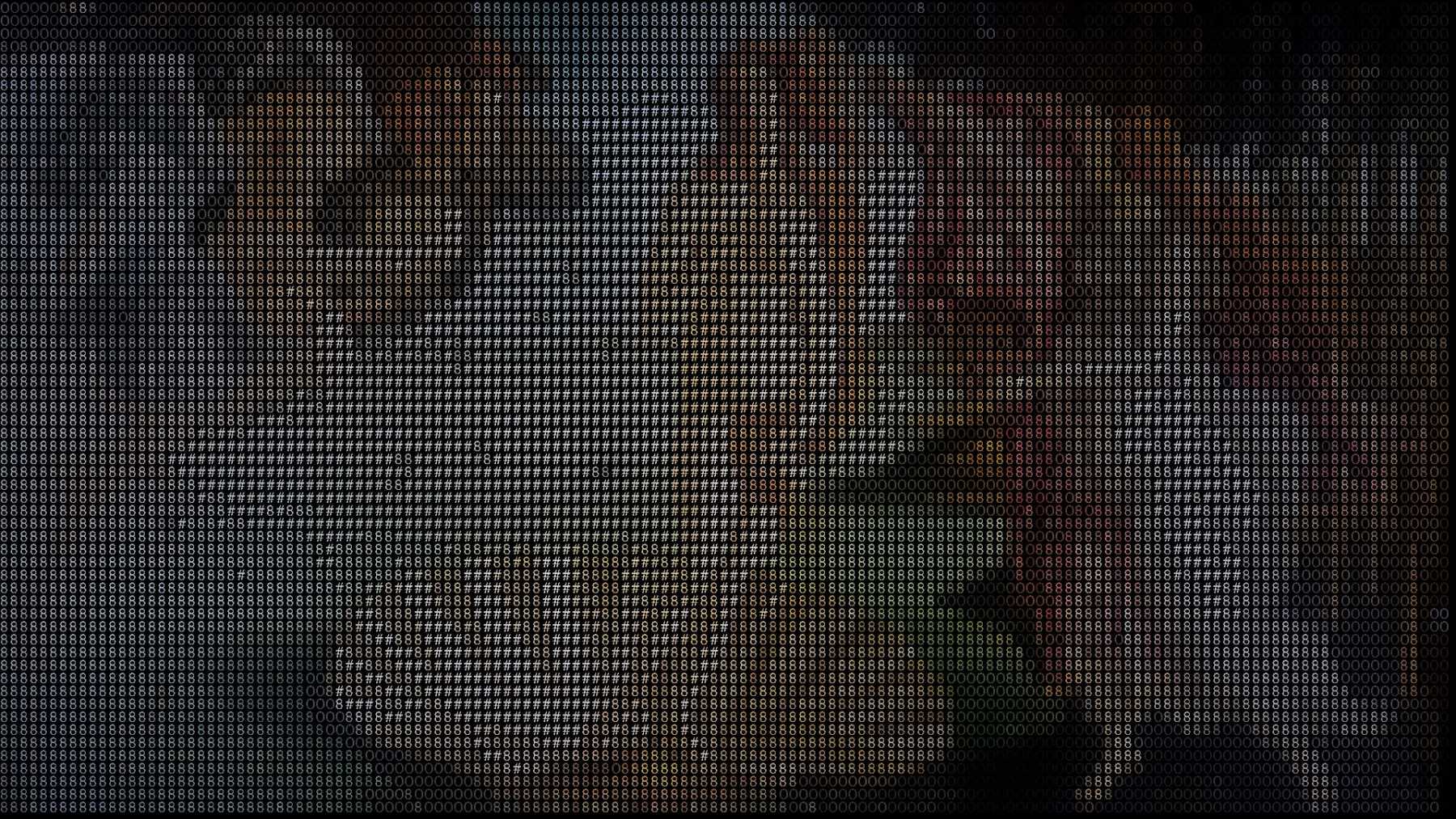
Ascii Gioconda Representation in color