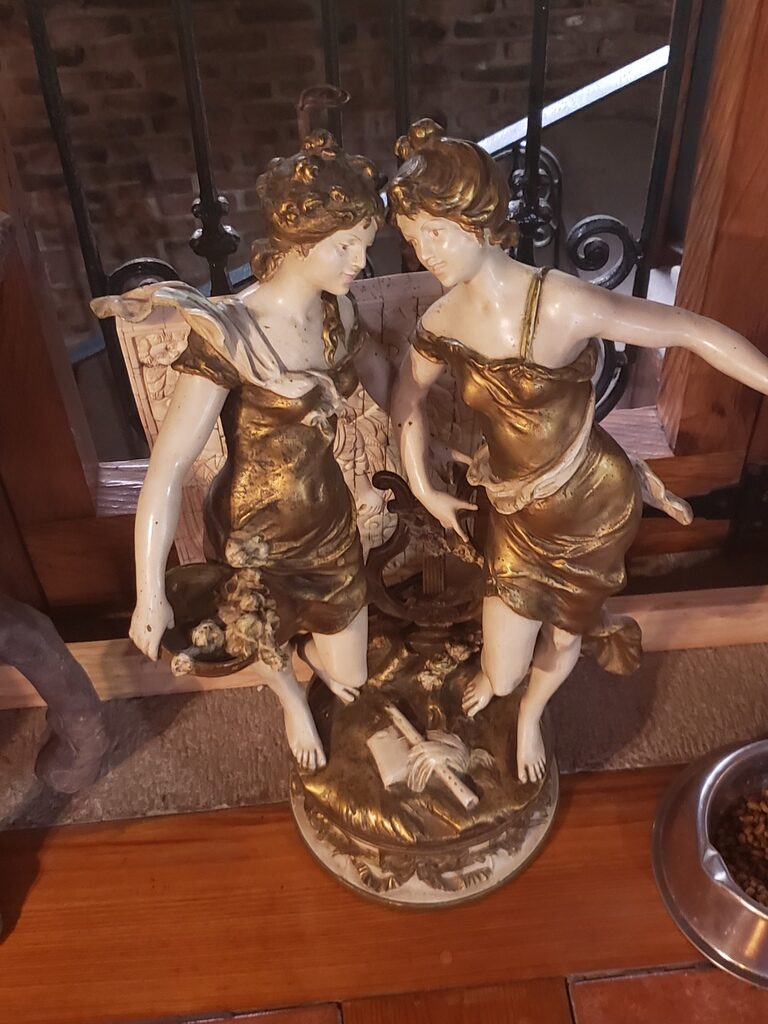
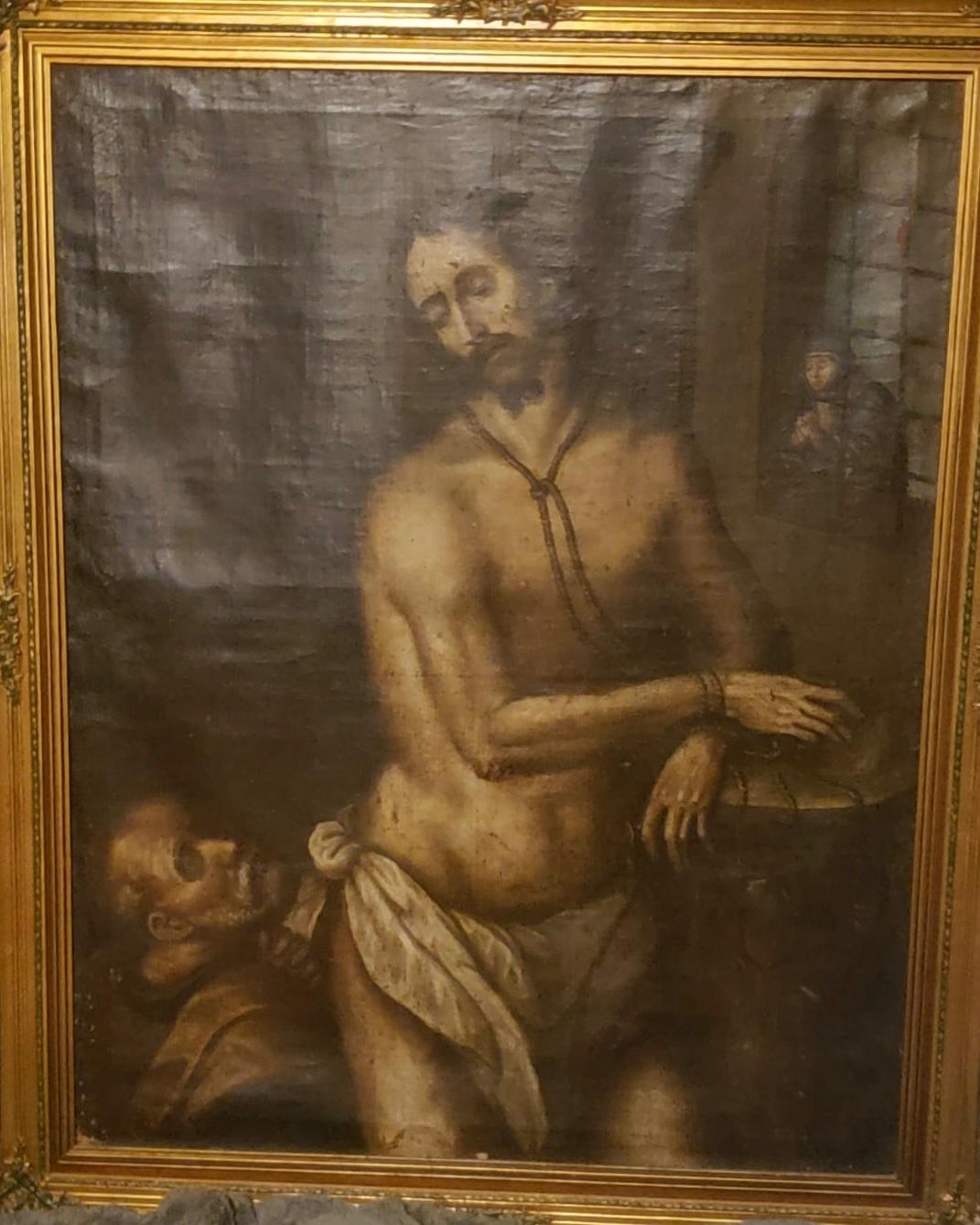
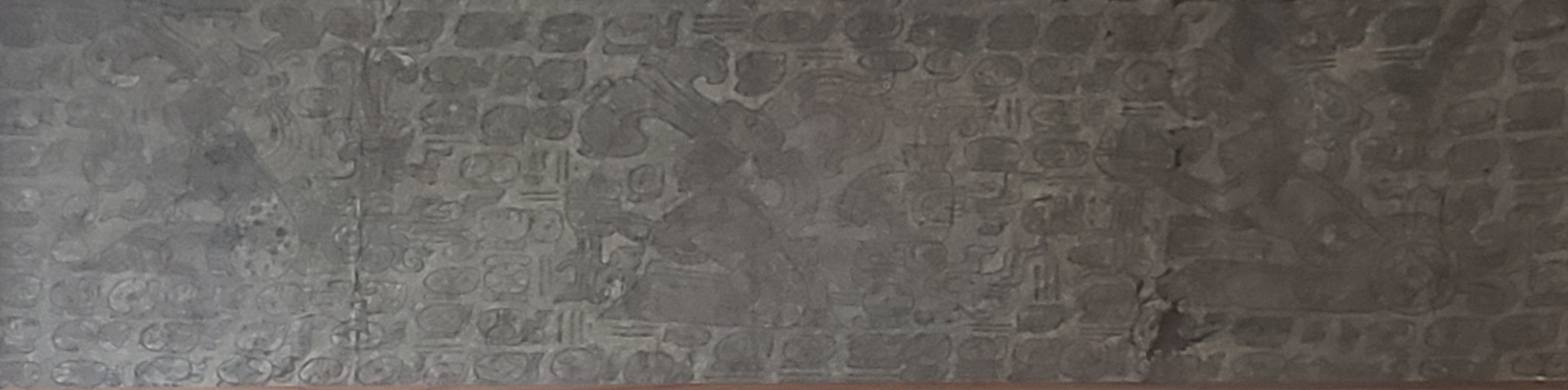
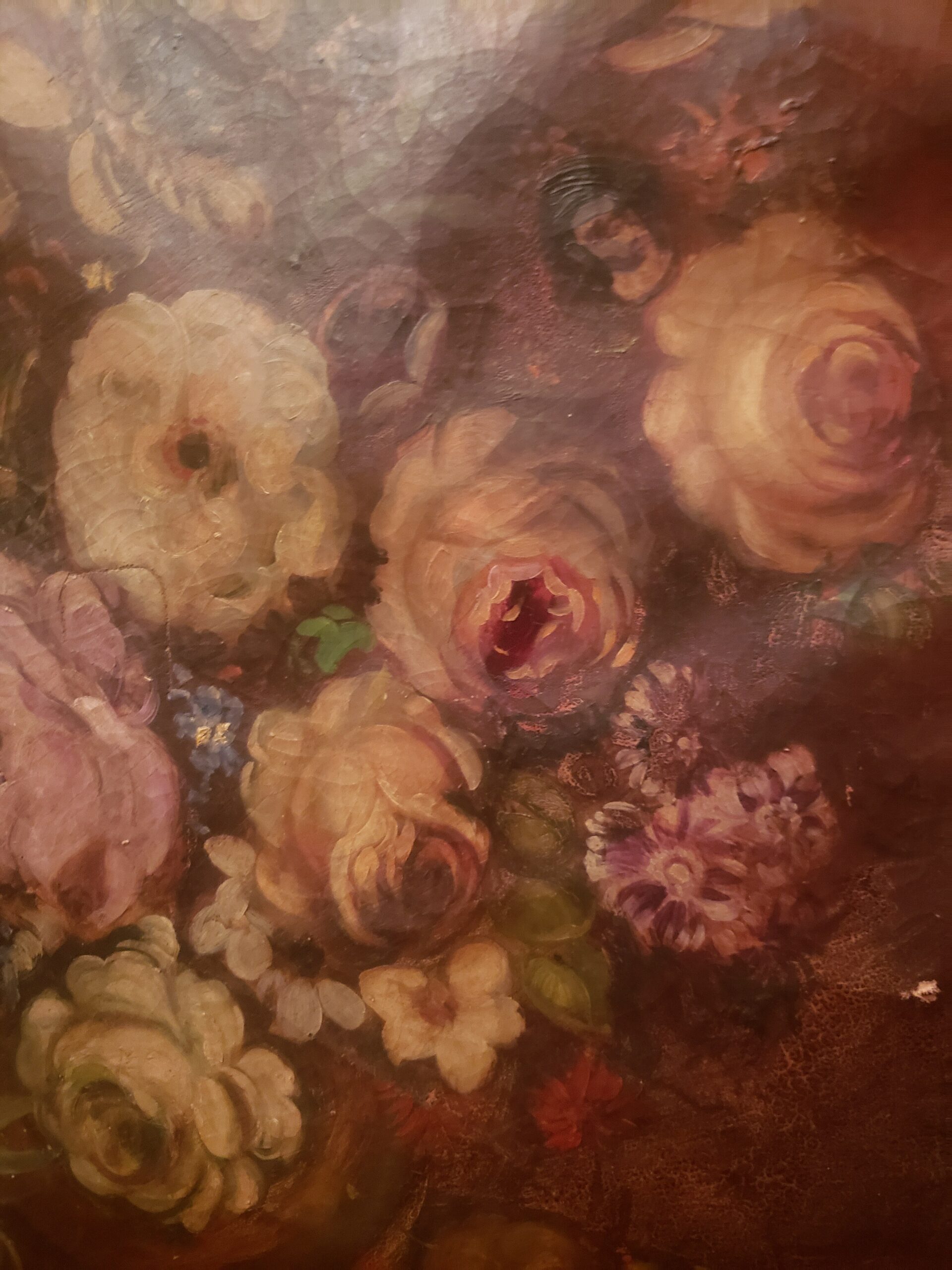
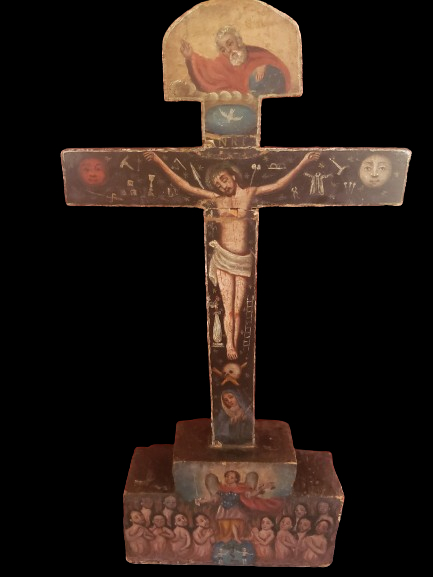
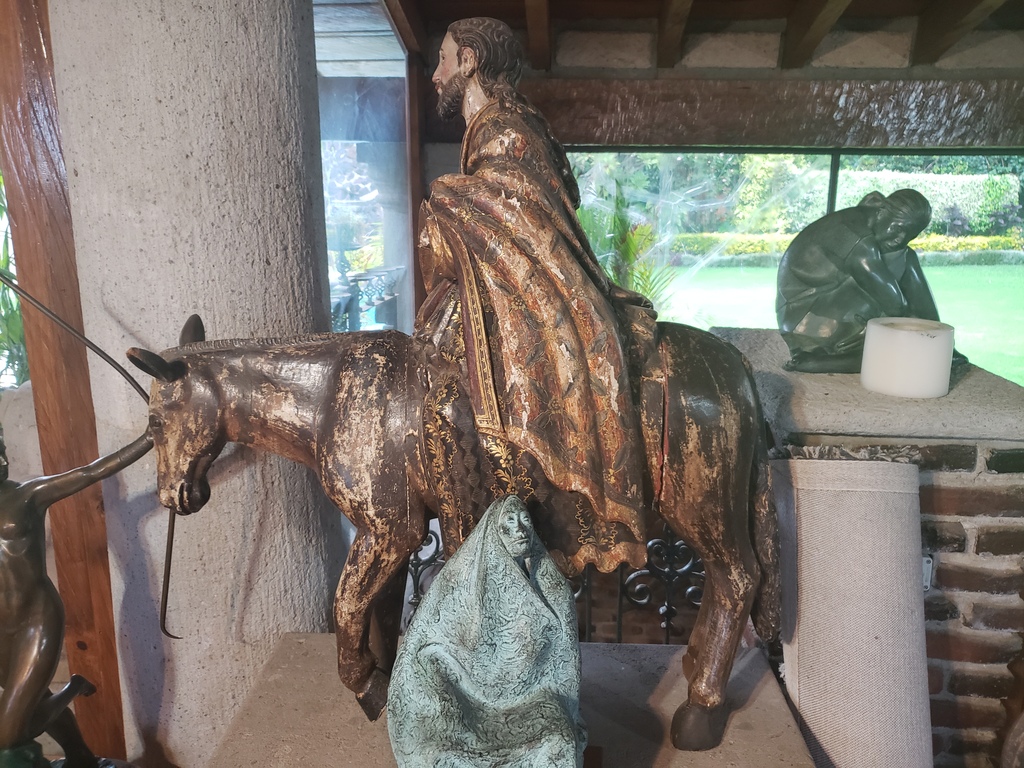
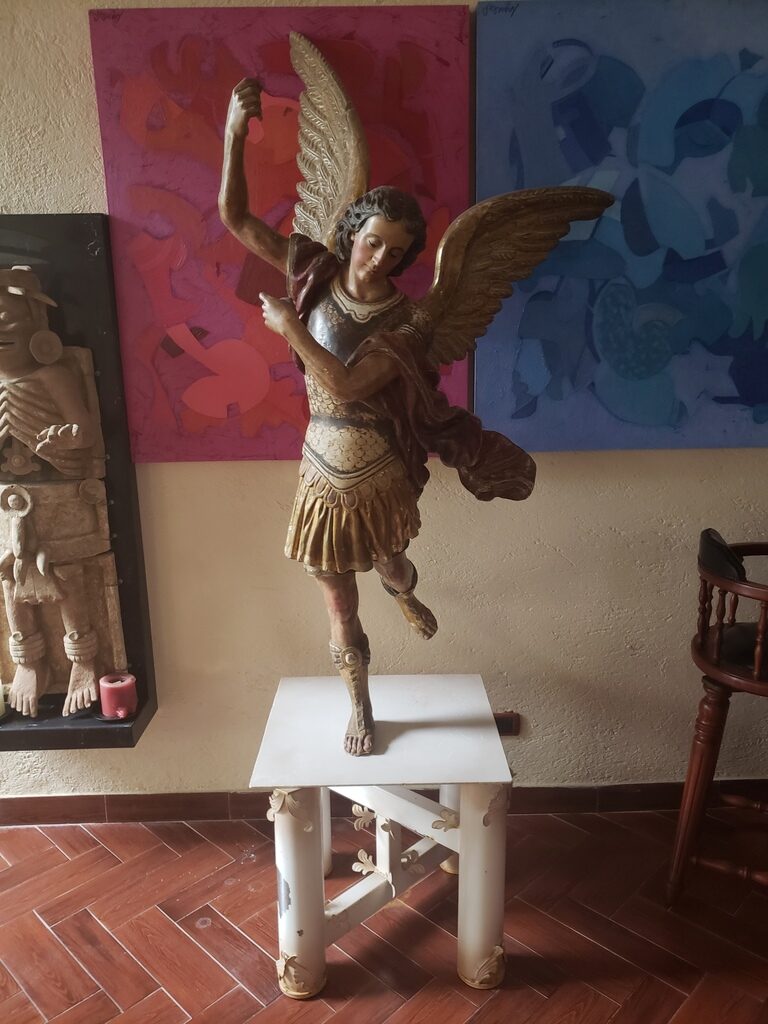
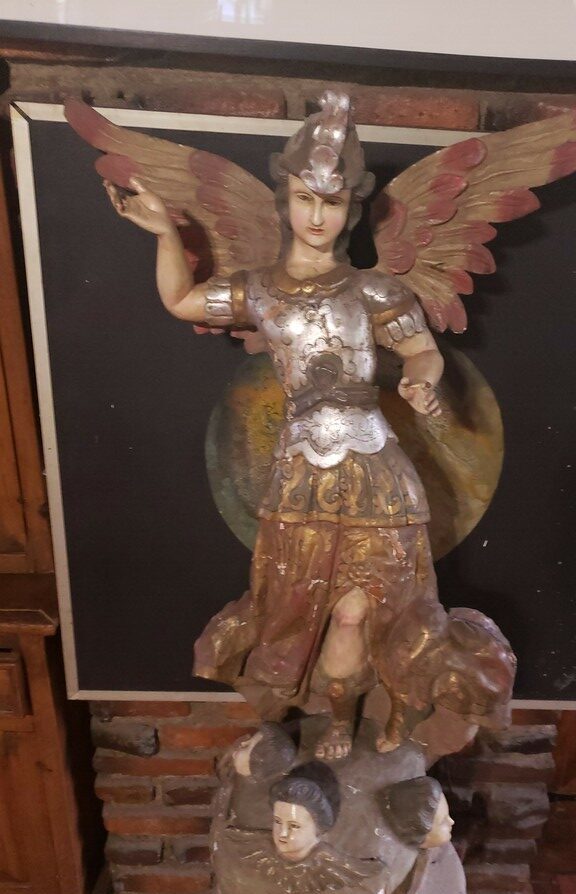
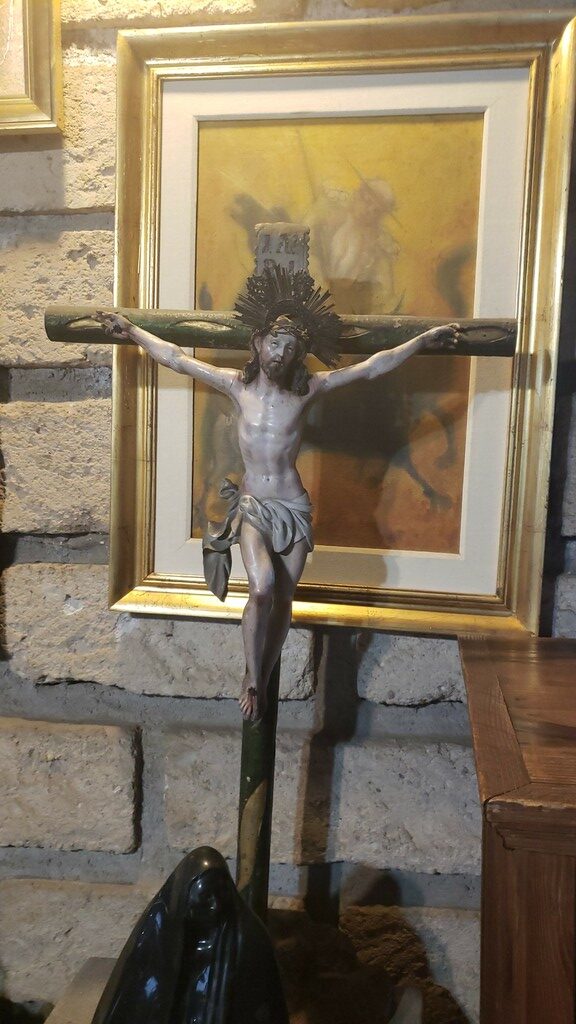
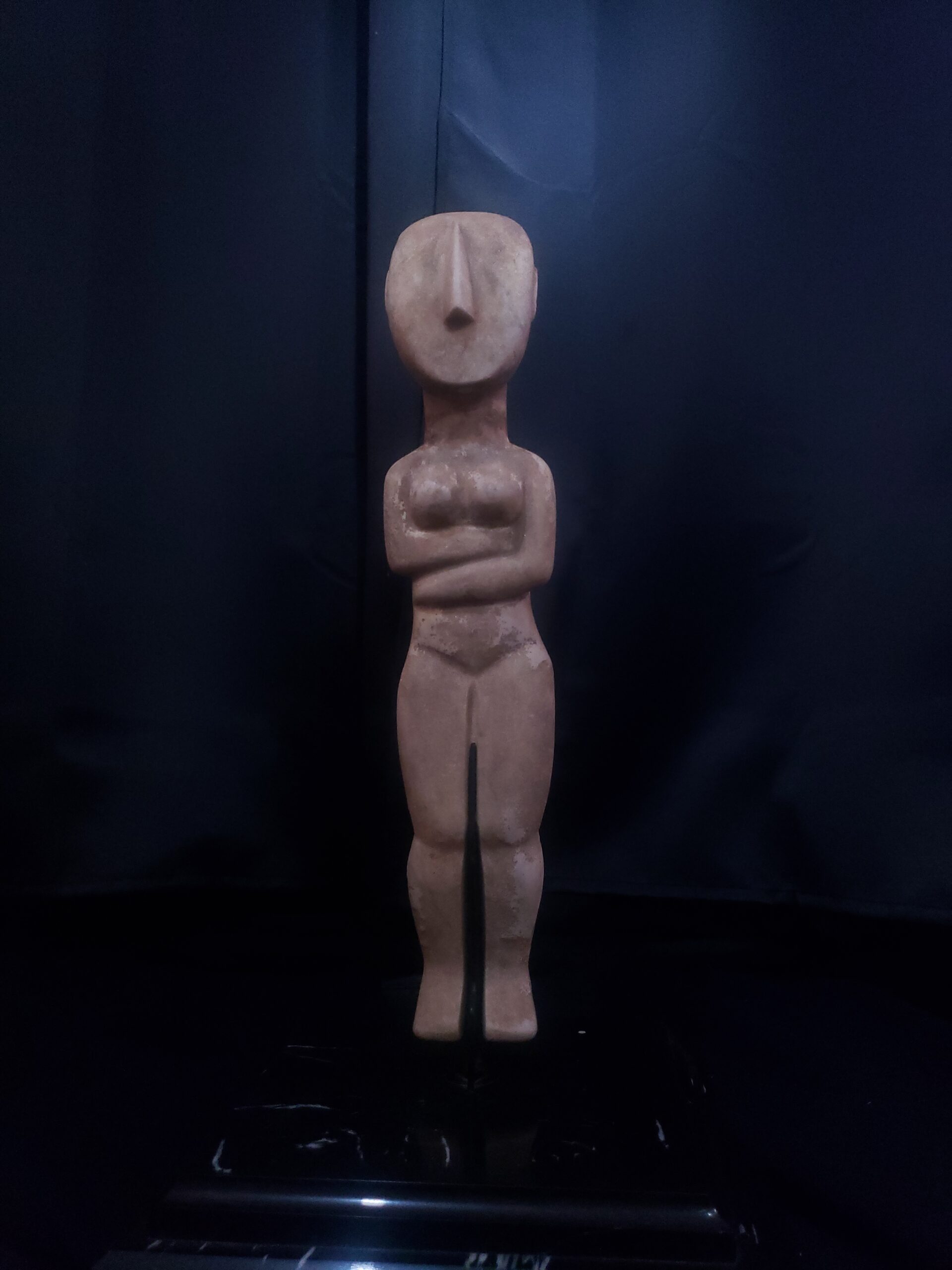
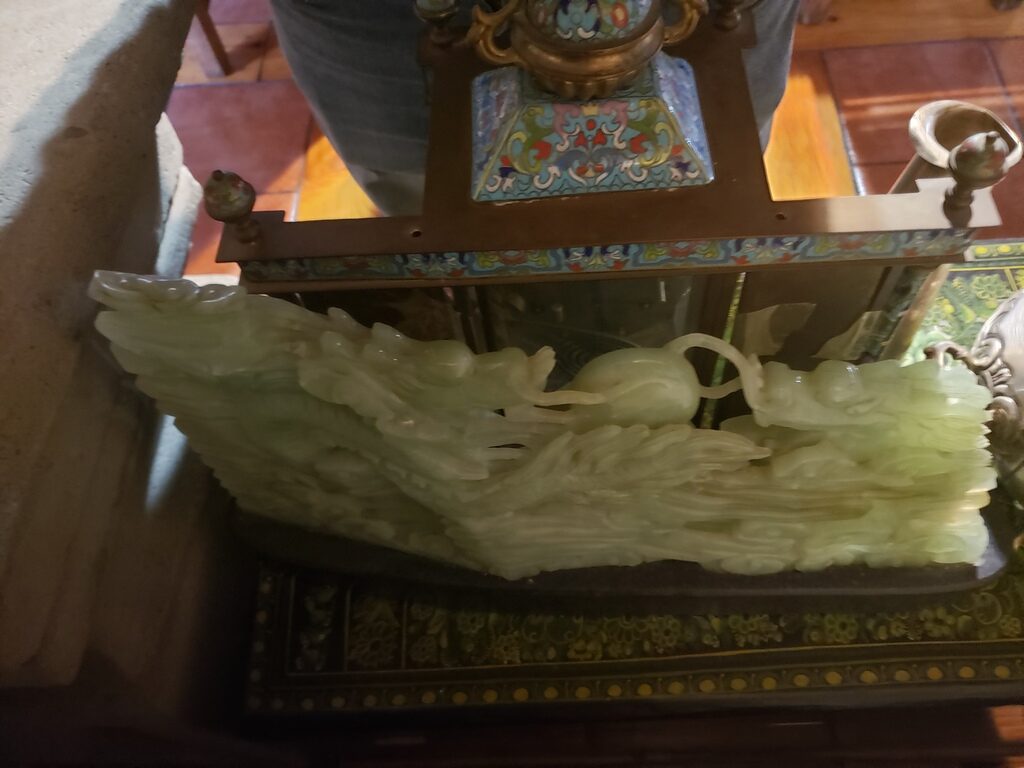
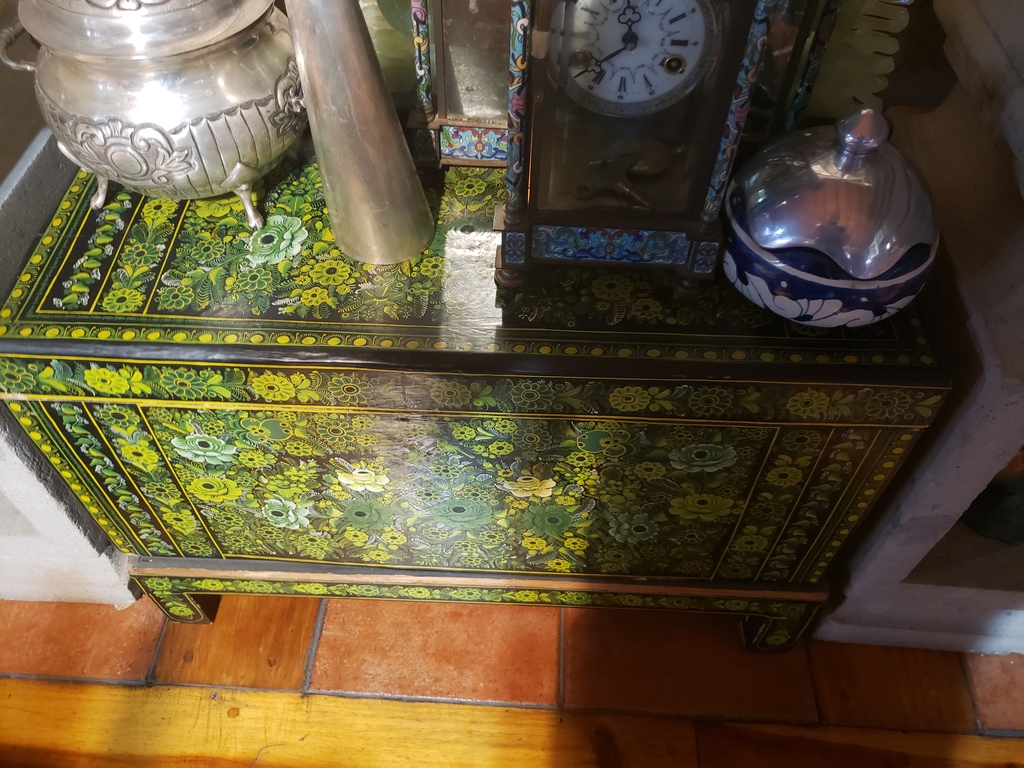
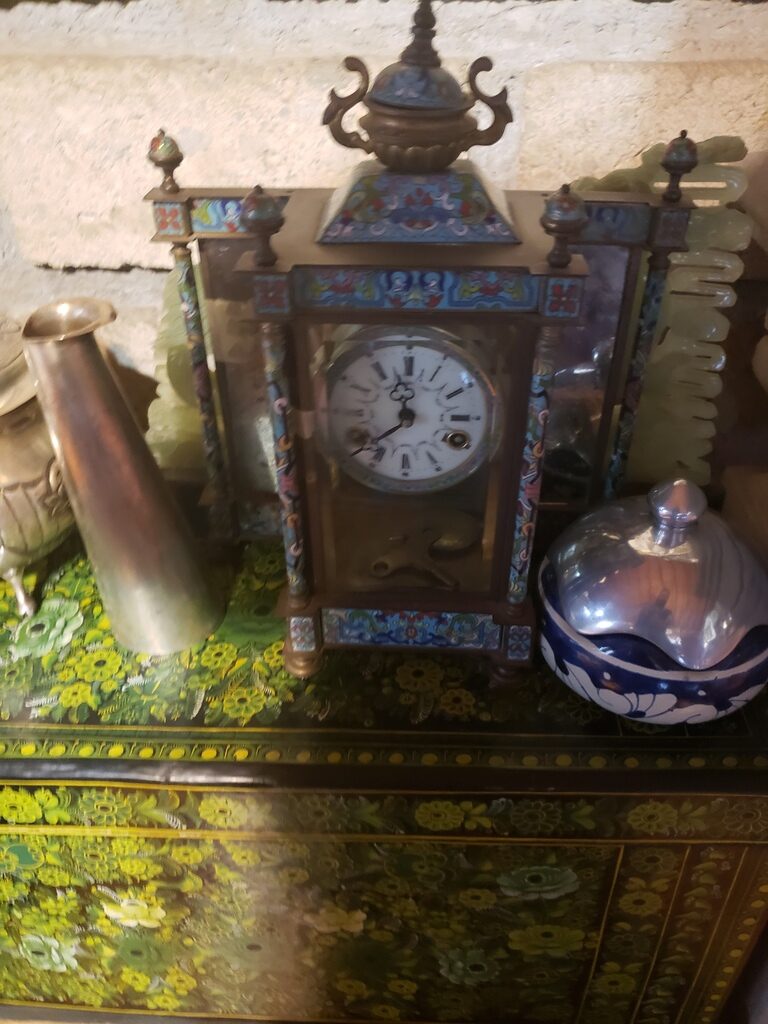
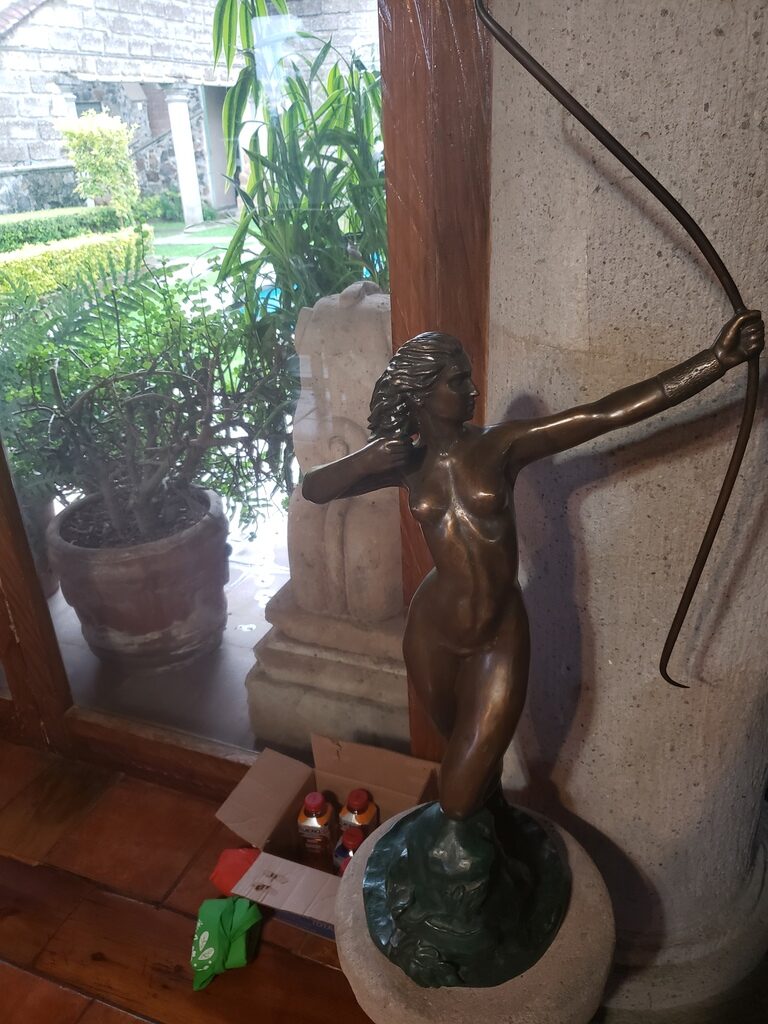
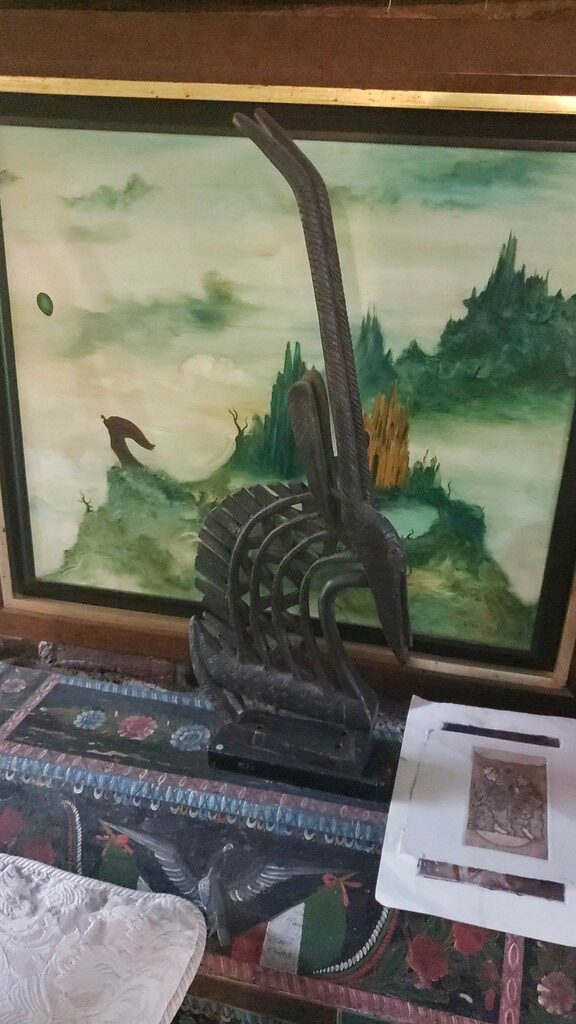
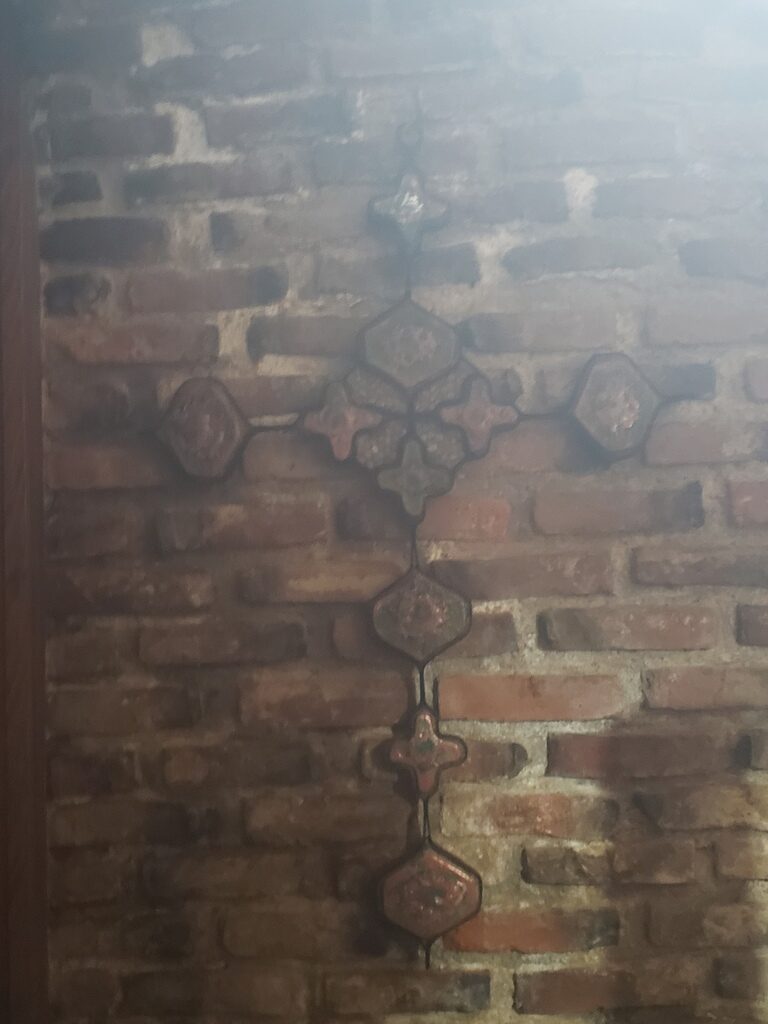
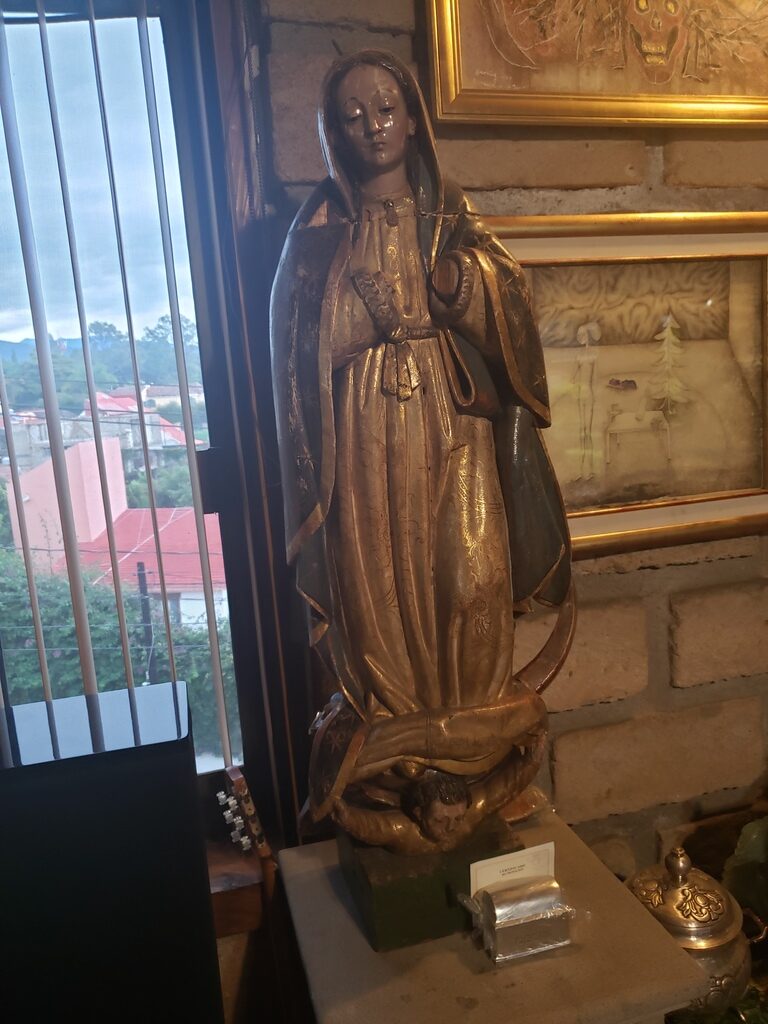
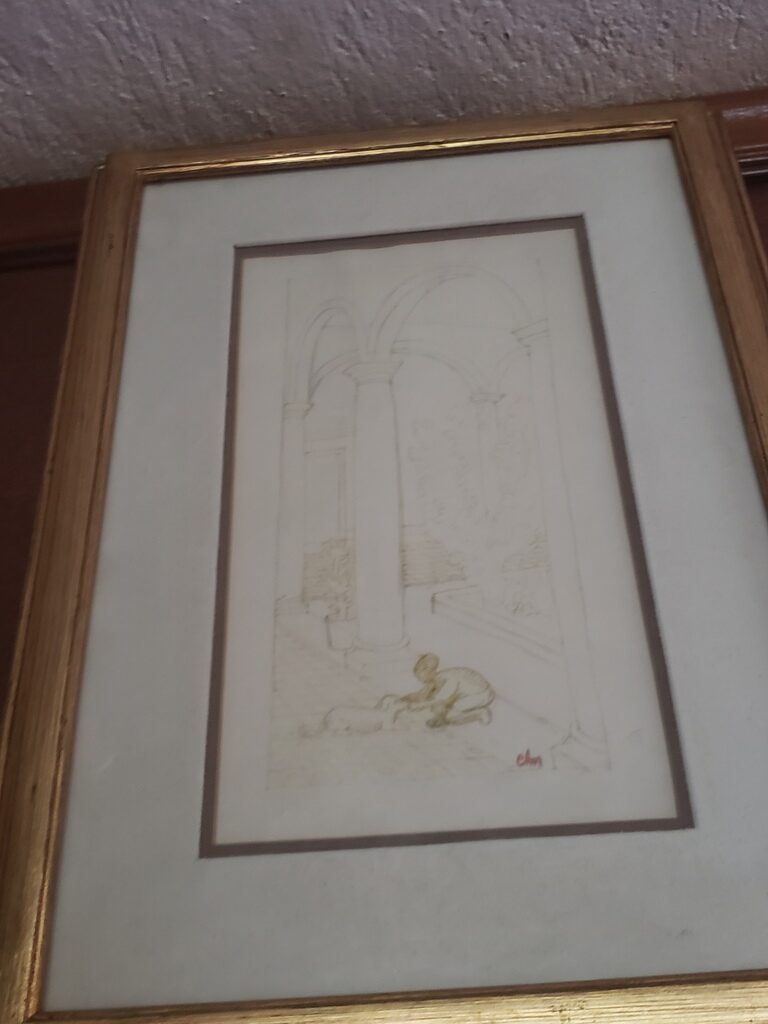
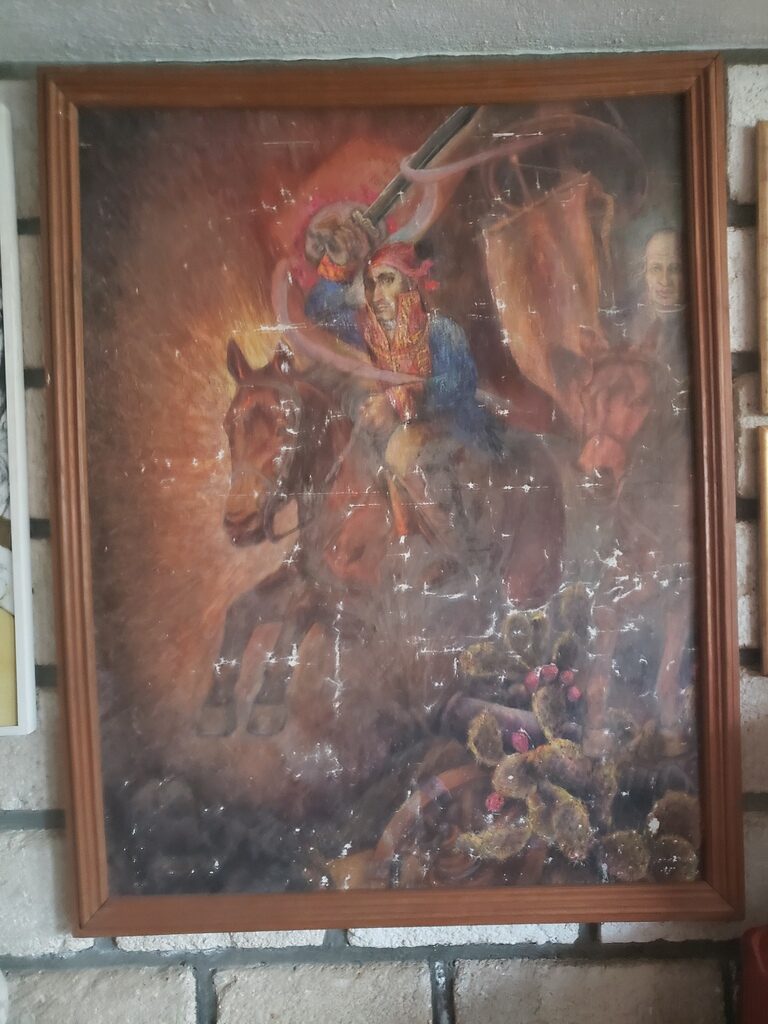
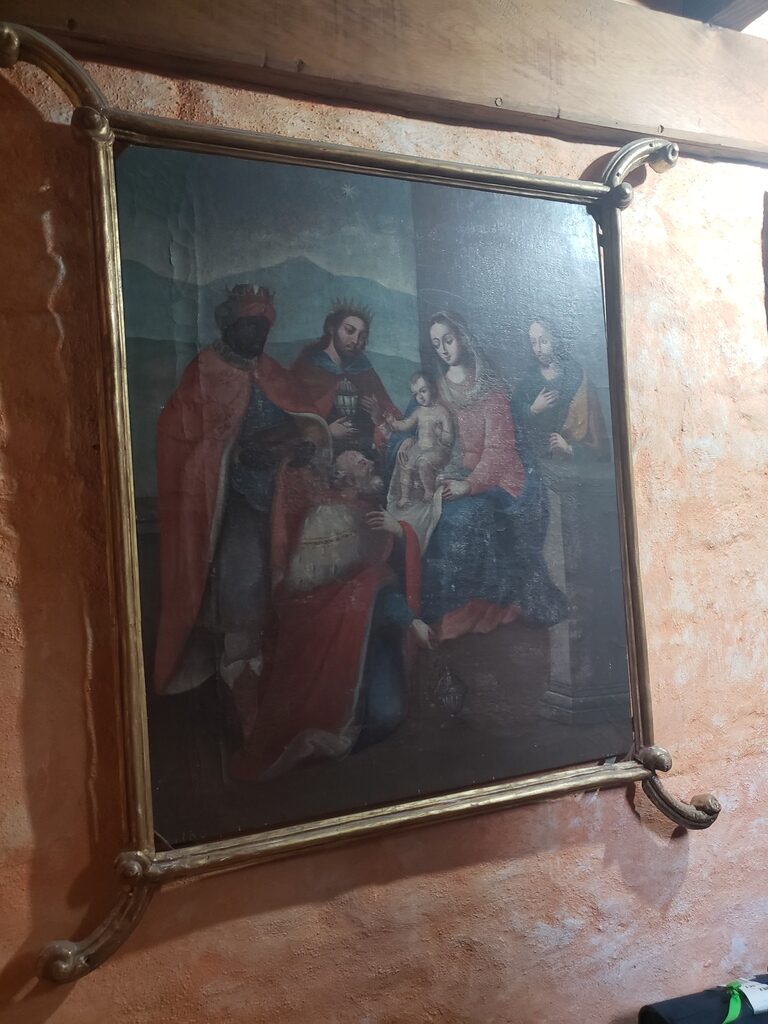
Welcome to the “Antiques Gallery,” a curated collection where history whispers through timeless objects and artistic legacies unfold. Each piece within these digital halls tells a story, connecting us to civilizations past and the ingenious hands that shaped their world. We invite you to embark on a journey through time, beginning with a short collection of colonial art and a remarkable cycladic idol replica, a testament to ancient artistry all while exploring its intertwined and enduring influence over today’s art.
At one point today’s art harshest critic is time and the artwork surpasses the wear of time and goes into antiquity telling a story to all of those who are willing to look into it. Bringing on ideas from culture all the way contrasting with the personal interpretation of the artists to the availability of materials of the time and viability of the art itself.
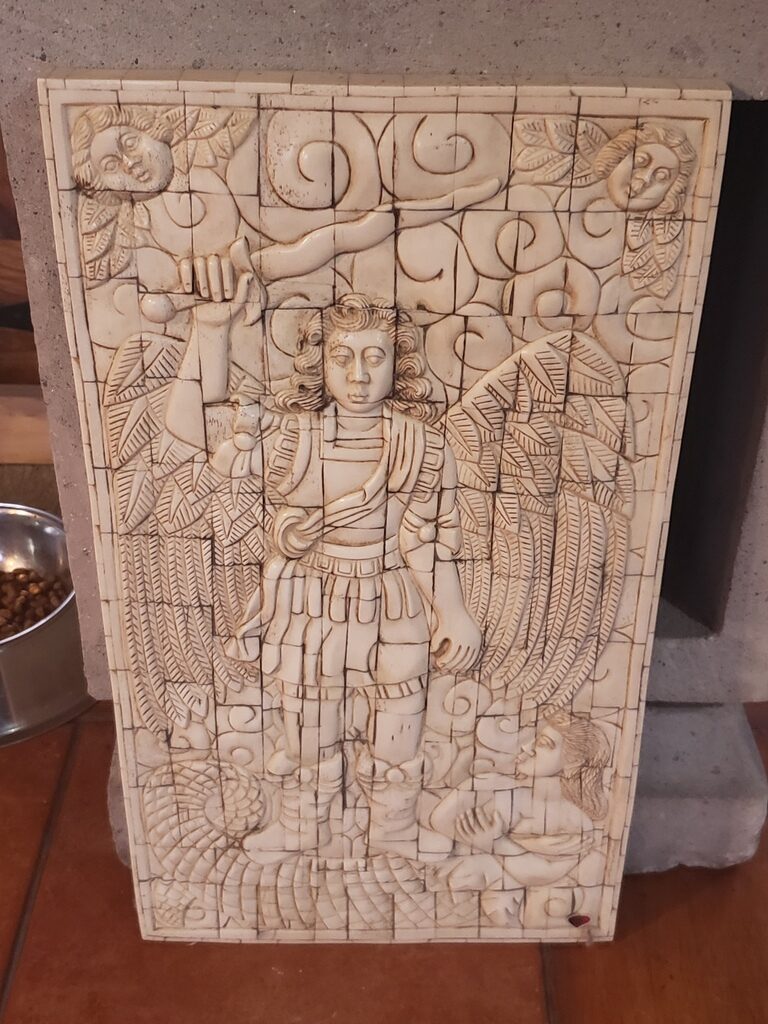
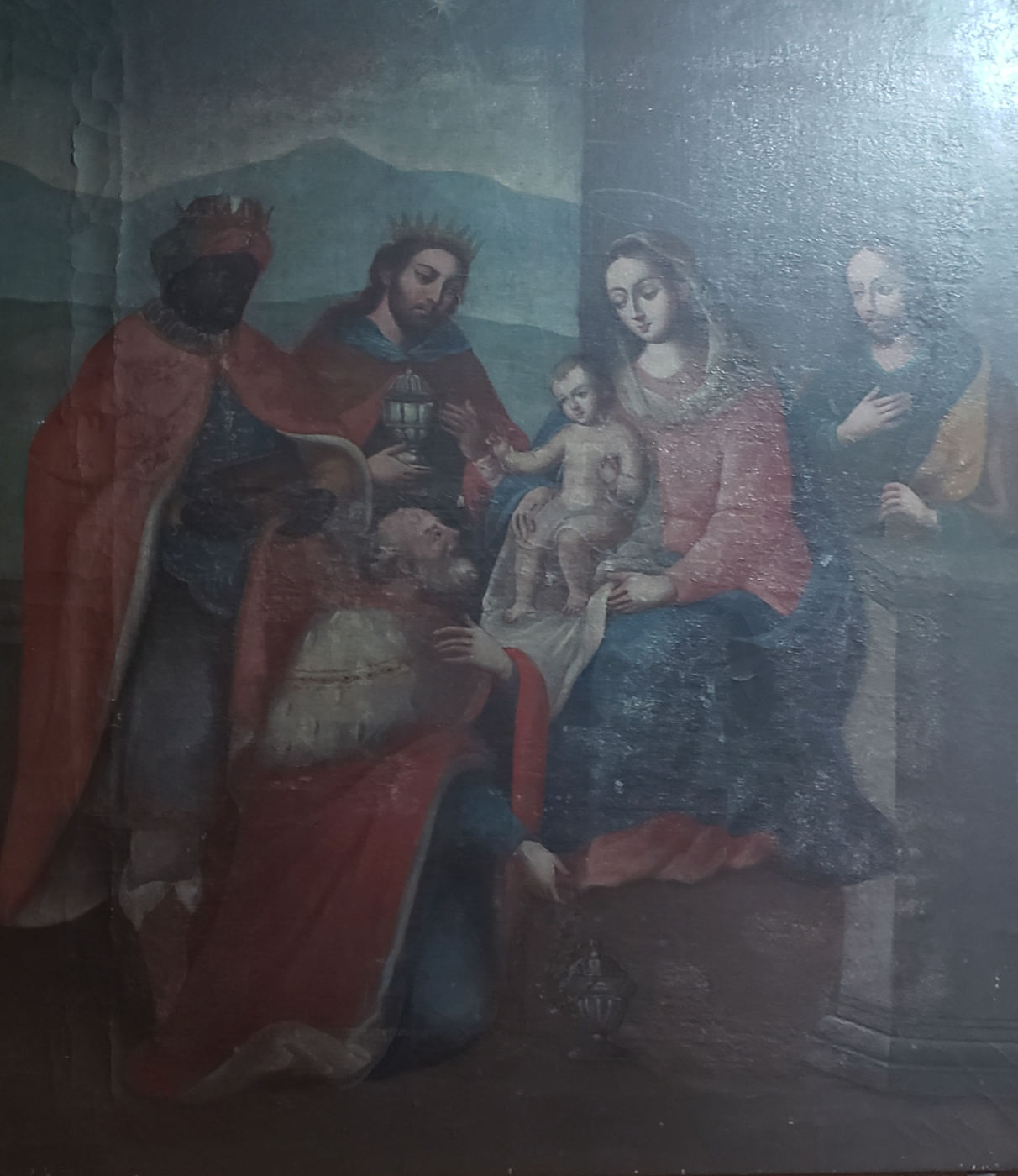
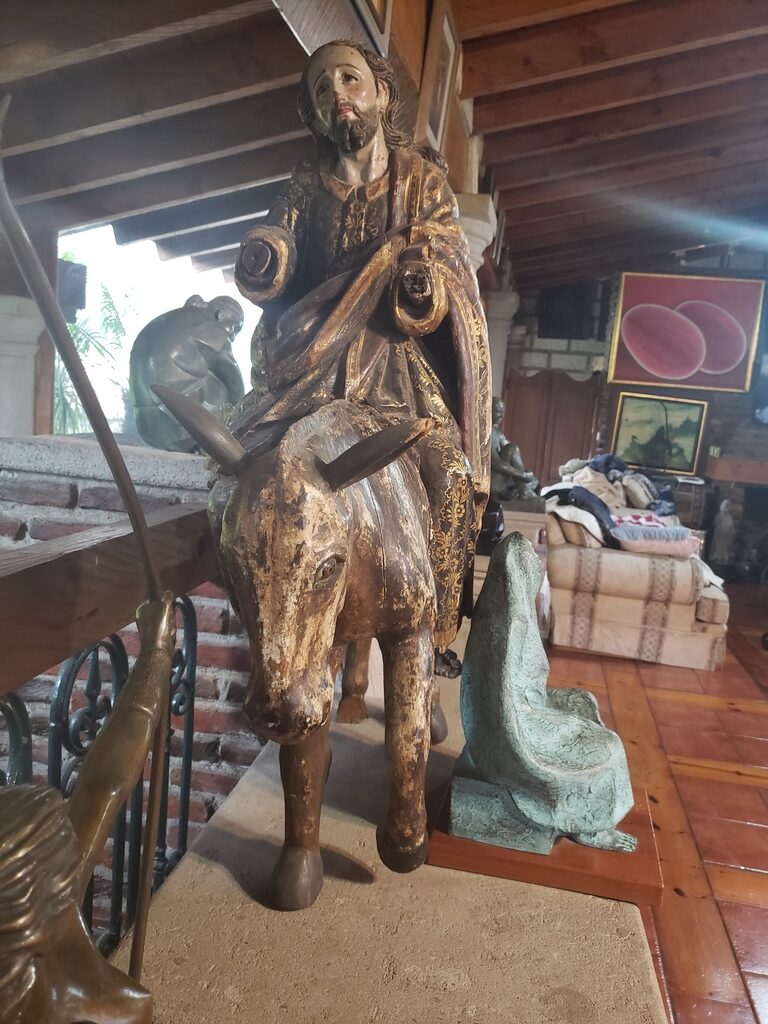
Adoration of the 3 Kings
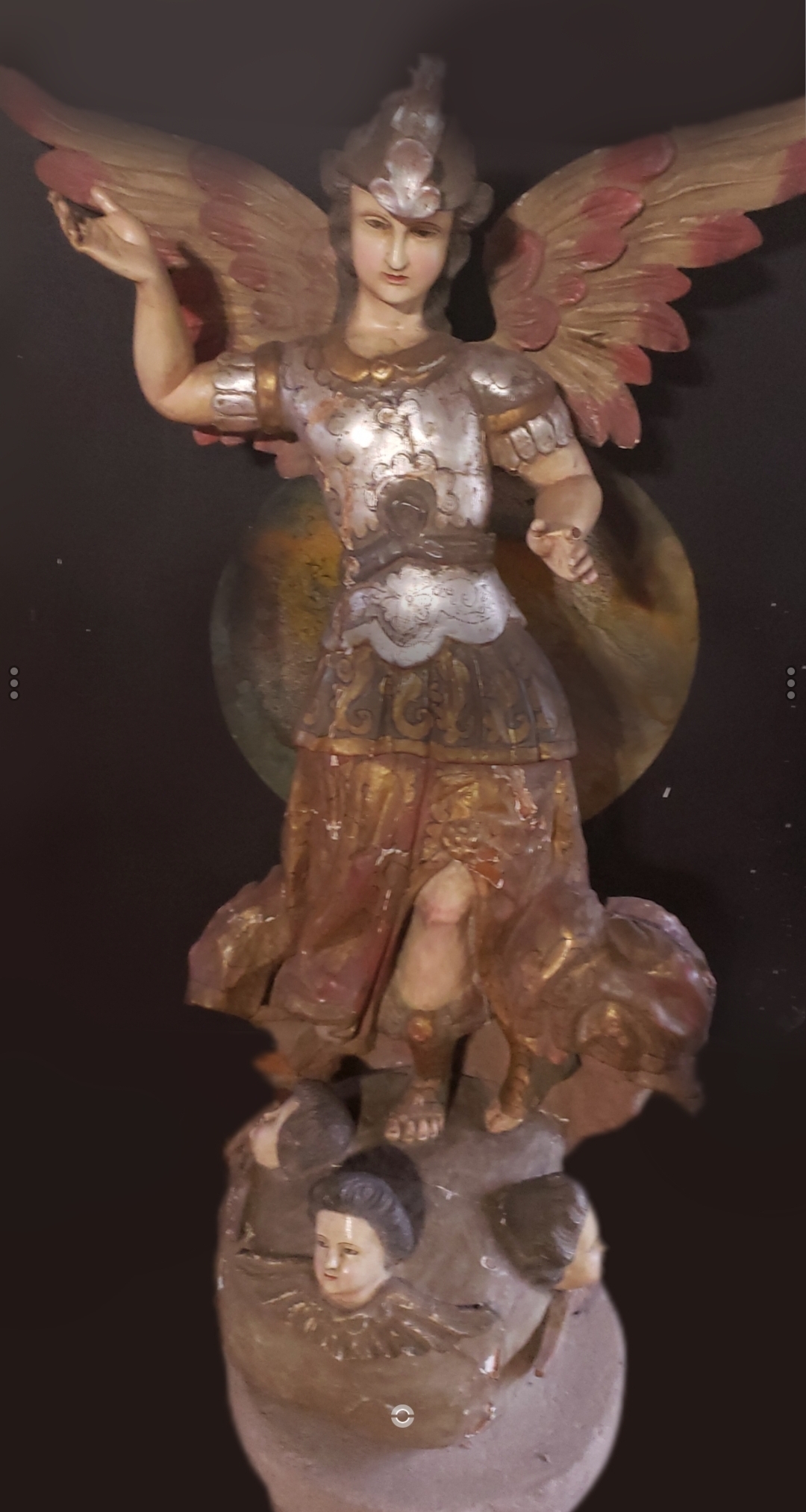
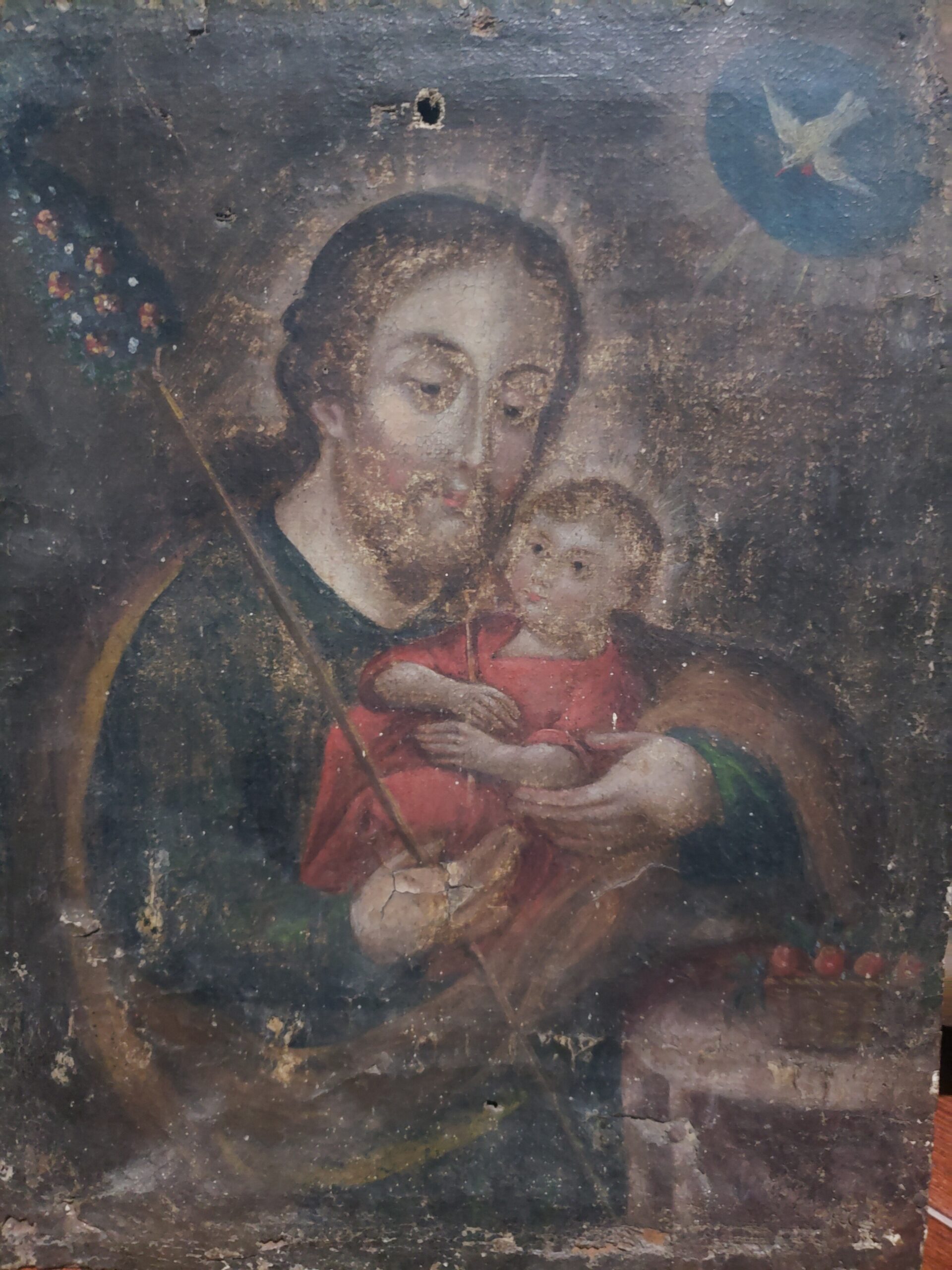
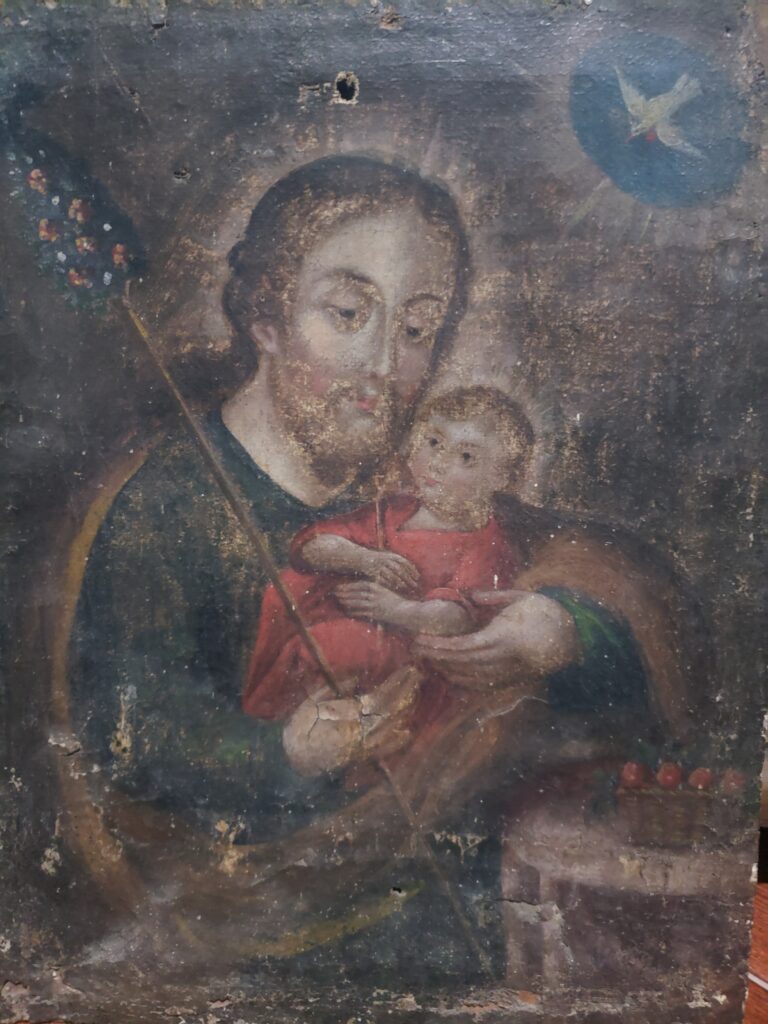
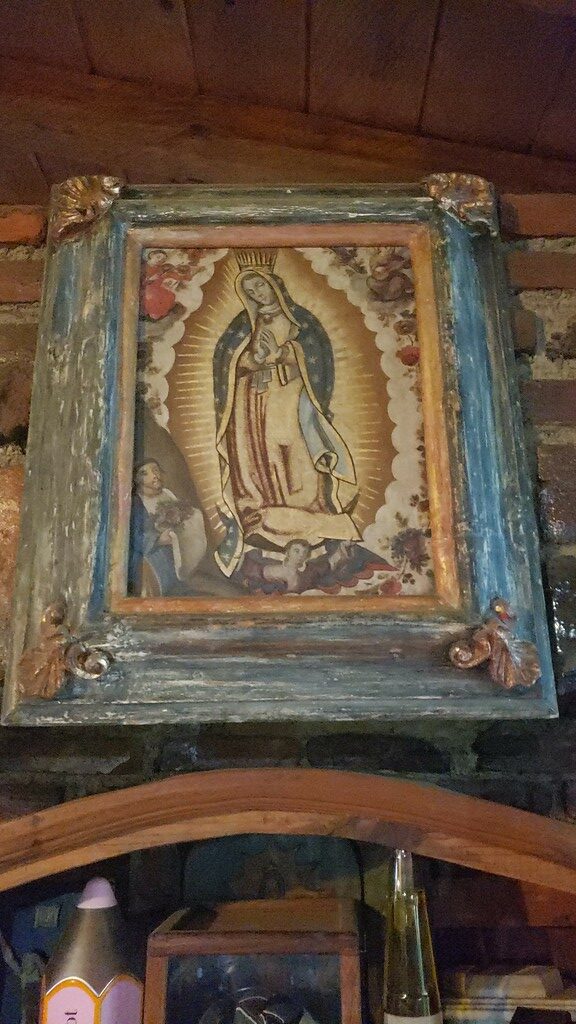
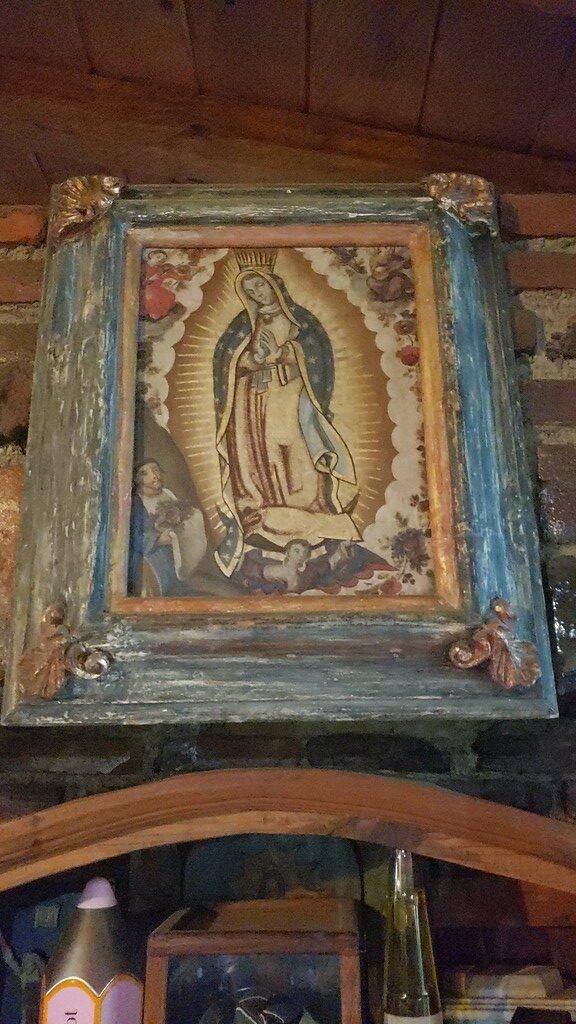
Virgen Maria
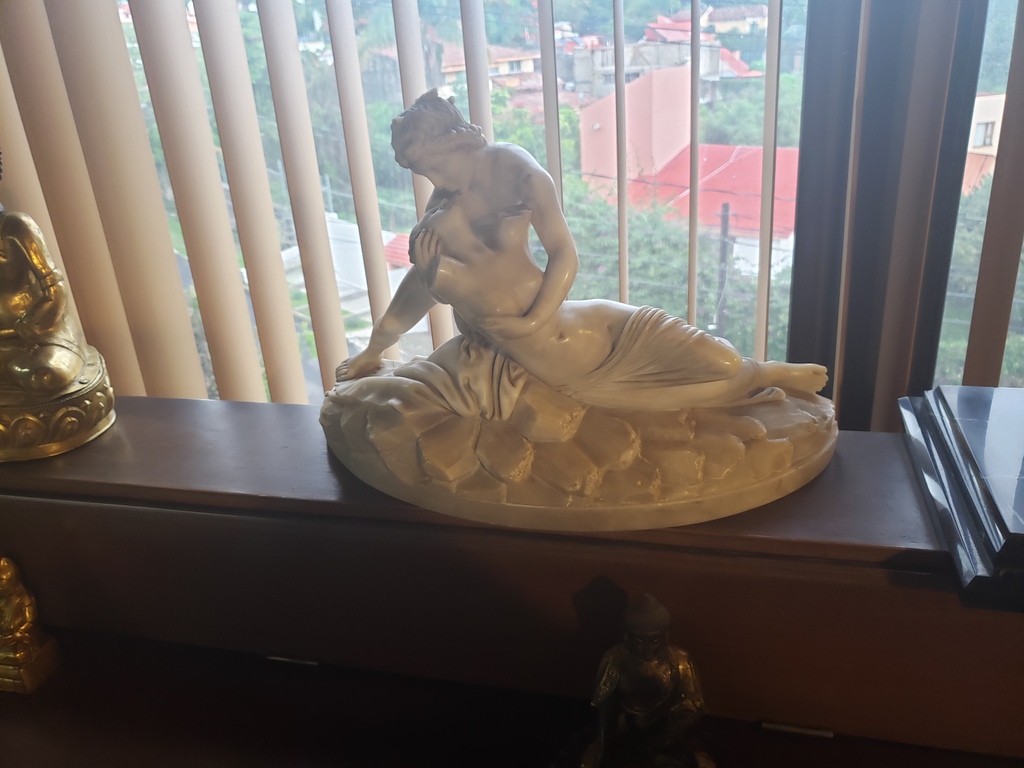
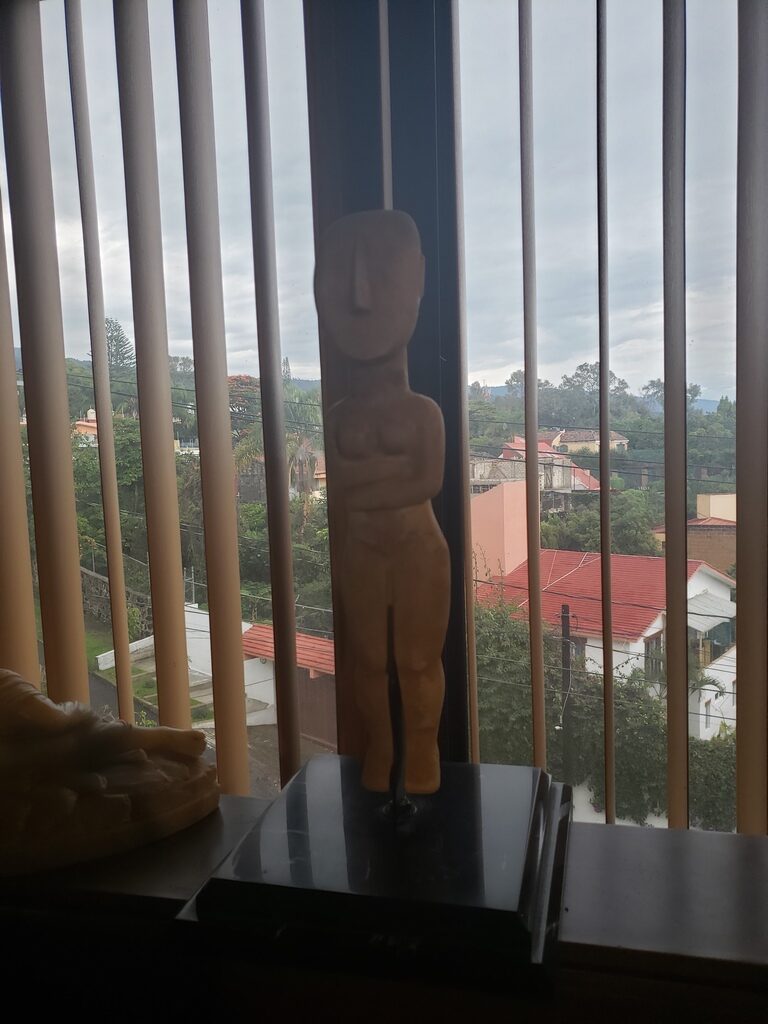
Cycladic Idol Repica
Artistic Repercussions: The “Primitive” Allure and Modernism
The artistic repercussions of Cycladic idols are immense, particularly in the 20th century. While initially dismissed as “primitive” in a derogatory sense by some 19th-century European travelers, their radical simplicity and abstract forms were “rediscovered” by avant-garde artists in the early 1900s.
Breaking from Tradition: Western art, for centuries, had largely focused on realistic representation and classical ideals. Cycladic idols, with their extreme stylization, offered a powerful alternative. They presented a distilled essence of the human form, free from the narrative and detailed realism that dominated Western artistic traditions.
Influence on Modernist Sculptors: The clean lines, geometric shapes, and reduction of forms to their bare essentials resonated deeply with artists like Constantin Brâncuși, Amedeo Modigliani, Henry Moore, Barbara Hepworth, Alberto Giacometti, and Hans Arp. These artists, seeking to break free from academic conventions, found inspiration in the Cycladic emphasis on:
Abstraction: The idols demonstrated that powerful emotional and spiritual meaning could be conveyed through highly simplified forms, moving away from literal depiction.
Essentialism: They stripped away superficial details to reveal the core, universal qualities of the human figure, a concept that greatly appealed to modernists interested in universal archetypes.
This re-evaluation of Cycladic art by the avant-garde led to a surge in appreciation for these ancient works, ironically contributing to a less desirable repercussion: an increase in illicit trafficking of antiquities as demand grew.
Analysis of the Creation of the Art Itself (Tools and Techniques)
The creation of these seemingly simple works required considerable skill and knowledge of the material.Cycladic artisans primarily worked with the abundant white marble found on the islands, notably Naxos and Paros. While no detailed written records or complete workshops have been found, archaeological evidence and experimental archaeology offer insights into their methods:
[About the Collection] Learn about the rich history and curatorial approach of our gallery, featuring timeless masterpieces and contemporary art. [Artist Bios] Get to know the talented artists behind the artworks. Click here to read their stories and discover their creative journeys.
 Pascasio's